
Partner Respect in Kids’ Martial Arts: What It Looks Like
Watch for listening, controlled practice, and permission to pause rather than just polite words.
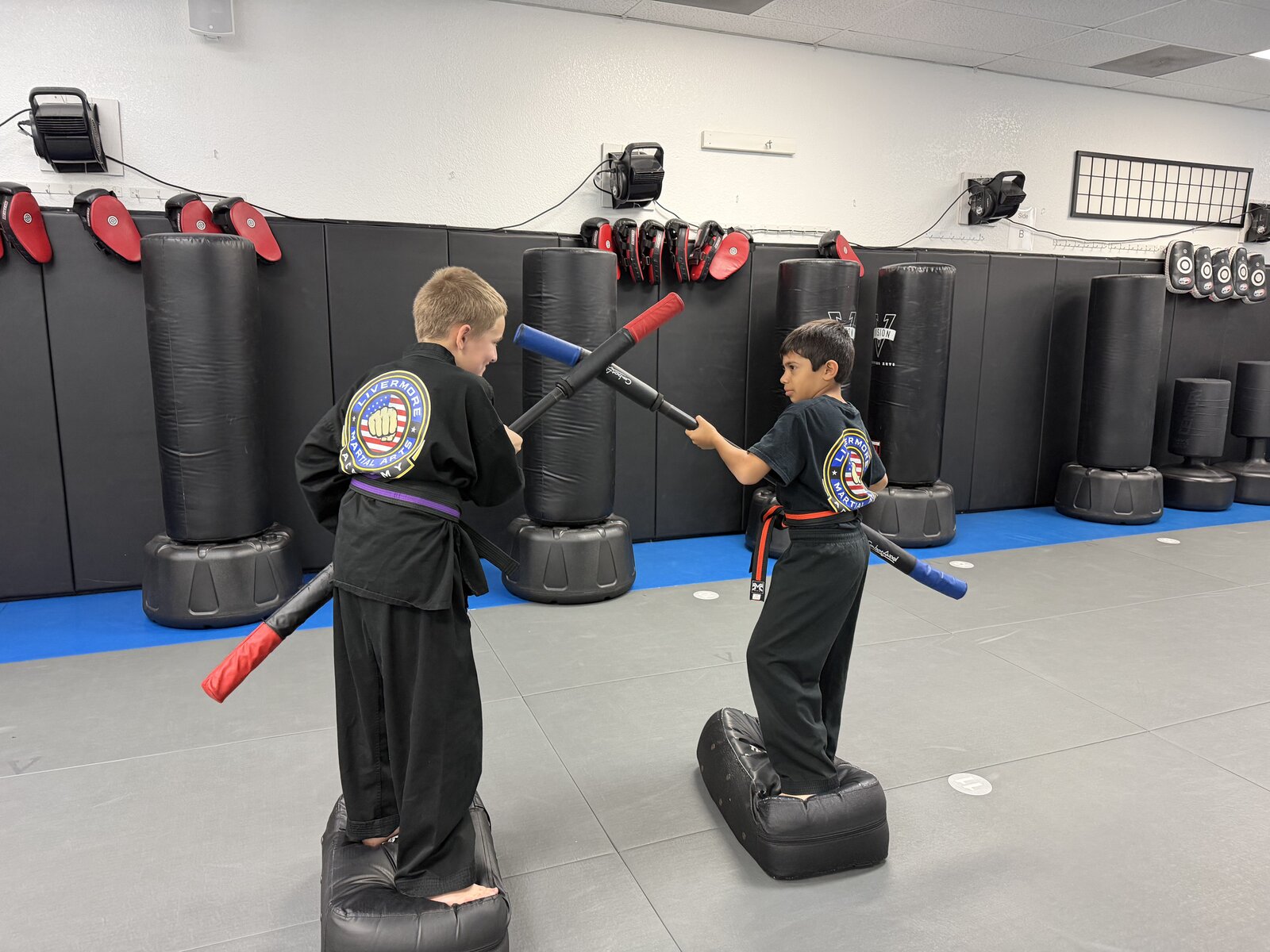
Respect becomes visible in a drill
During partner practice, respect can mean listening to the instructions, leaving enough space, and staying within the agreed exercise. Ask what beginners actually do with partners and how the instructor monitors them. Do not assume that every children’s class includes contact or that courtesy alone makes an activity safe.
Look for clear stop rules
A child should know how to signal discomfort and what happens when a partner wants to pause. Ask how the academy teaches these boundaries and checks understanding. Following directions includes stopping when asked; the purpose of a drill is learning together, not proving who is stronger.
Keep practice where it belongs
Children should not test techniques on siblings, classmates, or friends without appropriate supervision. Ask the instructor what, if anything, is suitable for home practice. A simple reminder about space and consent is more useful than inviting a child to show a physical technique on another person at a gathering.
Observe during a trial
At Livermore Martial Arts Academy, ask about the appropriate children’s program and use the free trial to see how instruction works. Notice how corrections are handled and whether children can ask questions. Specific habits tell you more about the environment than a broad promise to teach respect.
Key takeaways
- Ask how partner rules are taught.
- Value clear stop signals.
- Do not test techniques on other children.
Find your next class in Livermore
Visit Livermore Martial Arts Academy at 4070 East Ave. Compare the programs, confirm placement, and check current class times before booking your one free trial class.